There are many things to check the reasons of roof leakage. Let’s know how to repair a leaking roof as well.
1) Start checking gutters and rugs seams
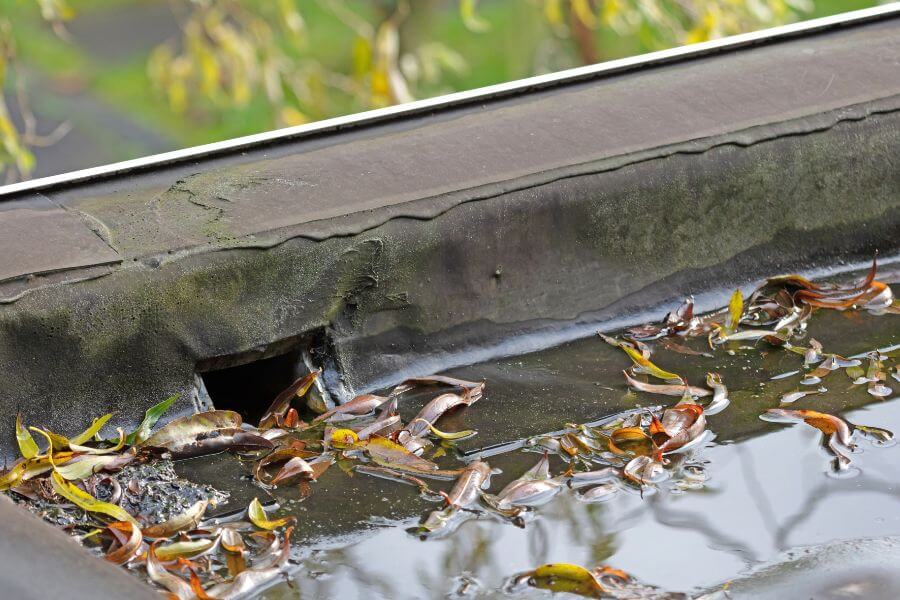
To check for existing problems, we will always start with a good cleaning of the gutters.
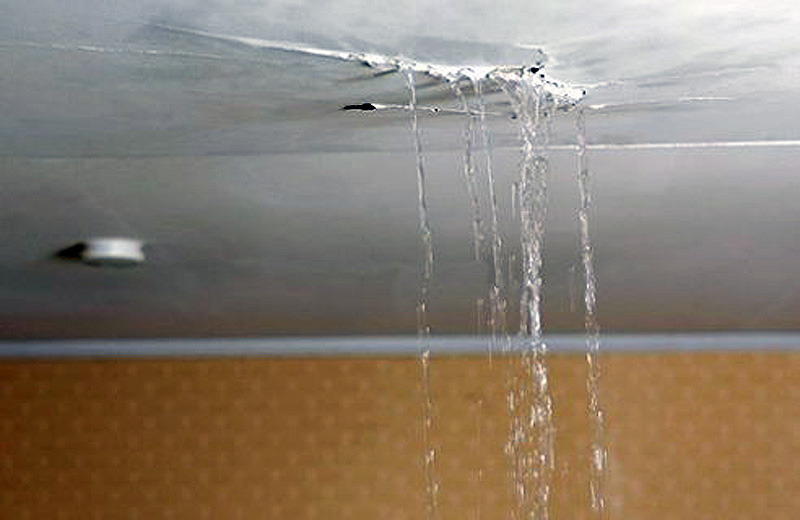
The gutters and flashings, due often sealed with water-based products, over time, the material dries up due to high temperatures, getting lost. So watch out for the gutter splices, because losing the seals, water begins to seep between one upturned plate and another, and in this interval, losing the necessary seal, the water enters, causing flooding in its slab, unwanted leaks and infiltrations.
These leakage needs professional service, contact our professional roofing service at contact page/free estimate page.
In addition to mechanical strength and high temperatures, for durability and indefinite shelf life of your gutters and flats, the products also need to be flexible to work when the natural vibration stresses in the roof structure, are requested.
2) Verifying, ridges and spikes
During maintenance, you will be able to observe and identify deformed frame parts, dilated ridge caps or even bolts that have swollen due to vibrations of the frame. Replace all of these with appropriate parts, also remembering to remove all grout residues from the site.
3) Checking, tiles cracked, broken, with holes, and without seals
The next step is of extreme attention, because when checking the tiles, we need to be aware of small details that means a lot in relation to water drained over the surface.
Many cracks occur on shingles, and are submerged to sludge or dirt on the surface of the shingles, a close observation will help you identify this type of problem, assisting in the solution, a brushing with a wire brush on the suspected surface and may reveal and swelling.
Why Tile Inspection is Crucial
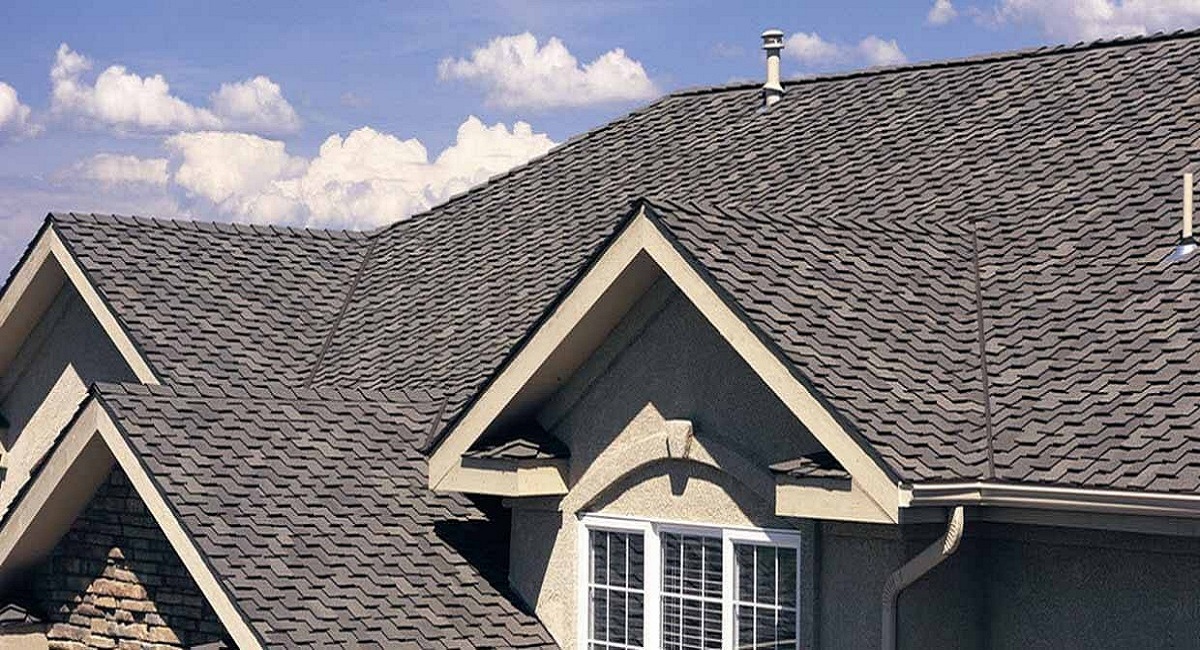
Roof tiles or shingles act as the outer shield of your home. When they are cracked, displaced, or missing, water can easily penetrate the underlayment and cause leaks. Even hairline fractures on shingles can expand during temperature changes, worsening the problem.
Signs of Damaged Roof Tiles
Water stains on ceilings or walls.
Shingles that appear curled, bent, or blistered.
Visible moss or algae growth on the roof.
Loose or missing tiles after a storm.
Repairing Cracked Tiles
For minor cracks, roof sealant or adhesive can be applied. For broken or missing shingles, replacement is often the best solution. Always ensure proper alignment and sealing to avoid future leakage.
Additional Areas to Inspect for Roof Leaks
While gutters, ridges, and tiles are the most common culprits, roof leaks can also occur in other areas. Here are some key places to check:
Flashing Around Chimneys and Vents
Metal flashing is installed around chimneys, skylights, and vents to prevent water from entering. If flashing is rusted, loose, or improperly sealed, it becomes a common leak source.
Attic Inspection
Inspecting the attic helps locate leaks early. Look for wet insulation, damp beams, or mold growth. Attics often reveal leak points that are not visible from the exterior.
Roof Valleys
Valleys are the areas where two slopes meet. They naturally collect water, so if the valley flashing is damaged or improperly installed, leaks will appear quickly.
Preventive Maintenance Tips for a Leak-Free Roof
Repairing a leak is one thing, but preventing future leaks is equally important. Here are some preventive measures:
Regular inspections: Conduct roof inspections at least twice a year and after severe weather.
Clear debris: Keep gutters and roof surfaces free from leaves, branches, and dirt.
Seal openings: Ensure all vents, chimneys, and skylights are properly sealed.
Trim overhanging branches: Falling branches can crack tiles and allow water seepage.
Use high-quality materials: Durable, flexible materials withstand harsh weather conditions and last longer.
When to Call a Professional Roofing Service
While minor leaks and cleaning can be handled by homeowners, some roof issues require expert intervention. If you notice significant structural damage, persistent leaks, or widespread tile cracks, it’s best to consult a professional roofer.
Professional roofers not only repair leaks but also perform preventive maintenance, ensuring your roof lasts longer and withstands extreme weather. Most roofing companies also provide free estimates, helping you budget before committing to repairs.
Conclusion
A leaking roof can cause major damage if ignored, but with proper inspection and timely repairs, you can avoid costly structural issues. Start with the gutters, check ridges and spikes, and inspect tiles for cracks or holes. Don’t forget additional areas like flashing, valleys, and the attic, which often reveal hidden leaks.
Frequently Asked Questions (FAQ)
What is the most common cause of roof leakage?
The most common causes of roof leakage are clogged gutters, cracked shingles, damaged flashing, and improper sealing around ridges or valleys.
Can I repair a leaking roof myself?
Yes, small leaks such as cracked shingles or clogged gutters can often be fixed by homeowners. However, for major leaks, widespread damage, or structural issues, it’s best to hire a professional roofer.
How often should I inspect my roof for leaks?
It’s recommended to inspect your roof twice a year—once in spring and once in fall—and after heavy storms. Regular inspections help catch problems early.
What materials are best for preventing roof leaks?
High-quality, weather-resistant materials such as asphalt shingles, metal roofing, and durable flashing provide better protection against leaks. Flexible sealants also extend the roof’s lifespan.
How do I know if my gutters are causing leaks?
If you notice water stains near walls, overflowing gutters, or seepage along roof edges, clogged or damaged gutters may be the cause. Regular cleaning prevents this issue.
Should I replace the entire roof if it leaks?
Not always. If leaks are localized, repairing specific areas may be enough. However, if the roof is old or severely damaged, replacement may be more cost-effective.
Shellie Olivares is a dedicated home blogger who has been blogging for over six years. She covers everything home related. Shellie also loves writing posts about her travels to Europe with her husband and two children.