Looking to upgrade your garden space with efficient, stylish, and productive planting solutions? Raised garden bed ideas are the perfect way to create a controlled environment for your plants, improve soil quality, and add beauty to your backyard. Whether you’re working with a large yard or a small patio, these 10 creative ideas will help you maximize your harvest and enjoy gardening more than ever.
Content
Why Choose Raised Garden Beds?
Raised garden beds offer several advantages over traditional in-ground gardening. They promote better drainage, reduce soil compaction, make weeding easier, and allow for custom soil mixes. Plus, they look neat and can be customized to match any landscape style.
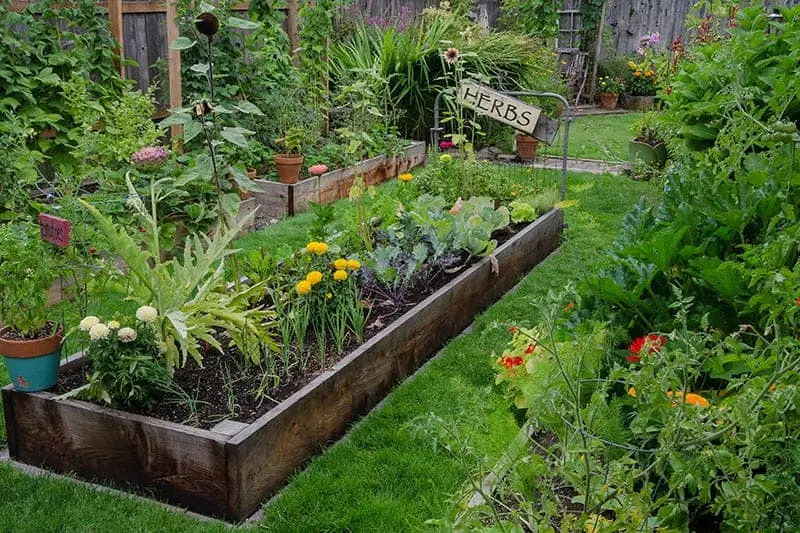
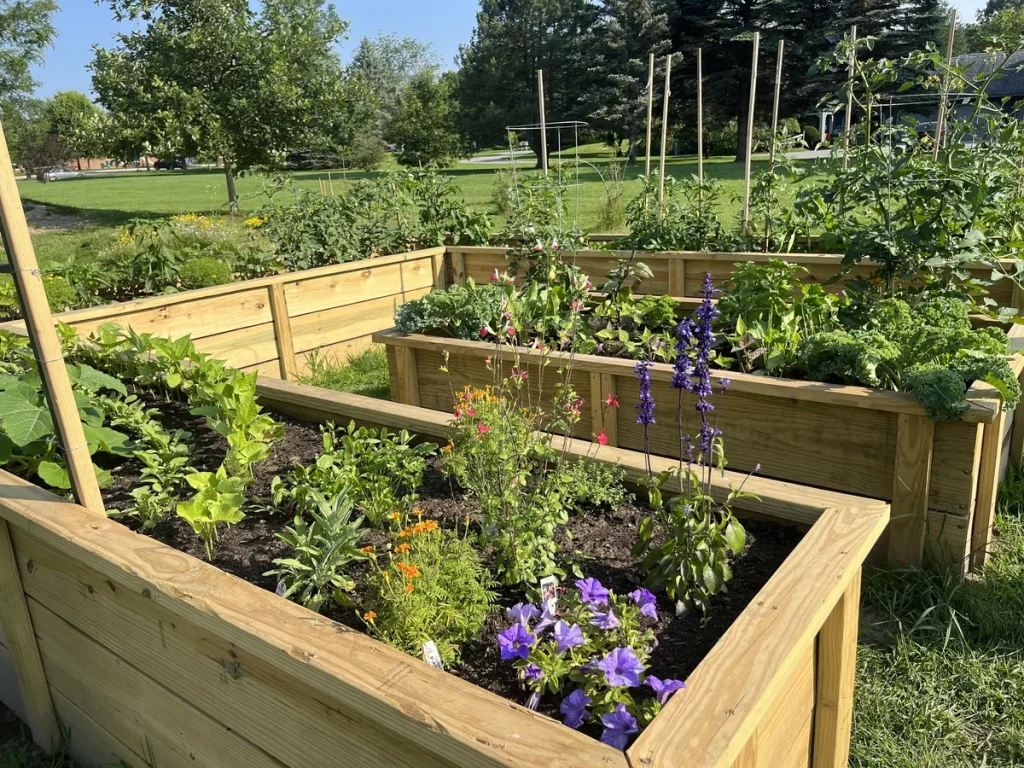
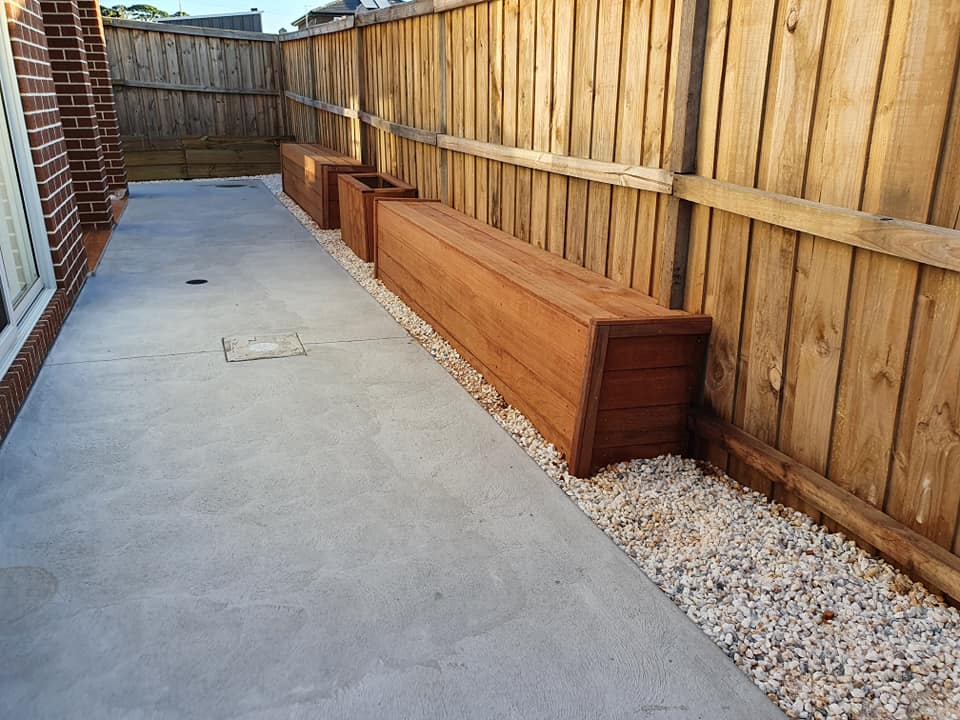
1. Classic Wooden Garden Bed
The most common and beginner-friendly option, a wooden garden bed provides a natural aesthetic that blends seamlessly into any outdoor space.
Pros:
Easy to build with basic tools
Affordable materials like cedar or pine
Eco-friendly
Cons:
May rot over time
Requires sealing or treatment to prolong life
Best for: Traditional gardens and first-time gardeners
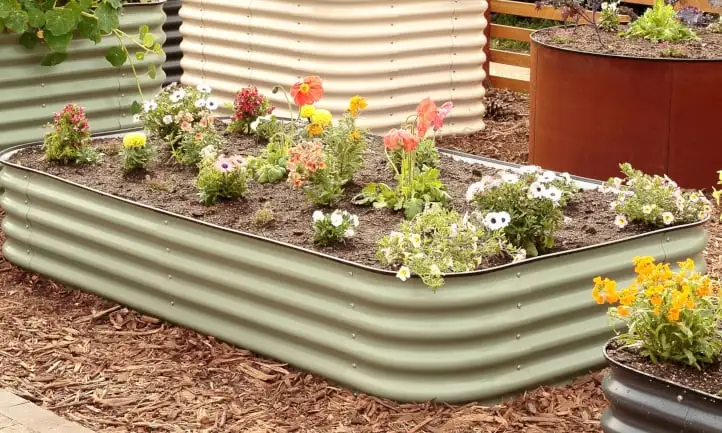
2. Galvanized Metal Raised Bed
Sleek and modern, metal raised beds are growing in popularity for their durability and industrial appeal.
Pros:
Long-lasting and rust-resistant
Minimal maintenance
Reflects heat for faster plant growth
Cons:
More expensive than wood
Can get hot in summer climates
Best for: Urban gardens and modern aesthetics
3. Elevated Garden Bed Table
This bed is raised waist-high, making it perfect for gardeners with mobility issues or small-space limitations like balconies.
Pros:
No bending or kneeling
Portable and space-saving
Great for herbs and shallow roots
Cons:
Smaller planting area
Requires solid structure for weight support
Best for: Seniors and apartment gardening
4. Tiered Raised Garden Bed
A tiered garden bed is visually appealing and allows you to grow plants with different root depths in one space.
Pros:
Optimizes vertical space
Easy to access all levels
Ideal for flowers and veggies
Cons:
More complex to build
Requires precise leveling
Best for: Sloped yards or decorative gardens
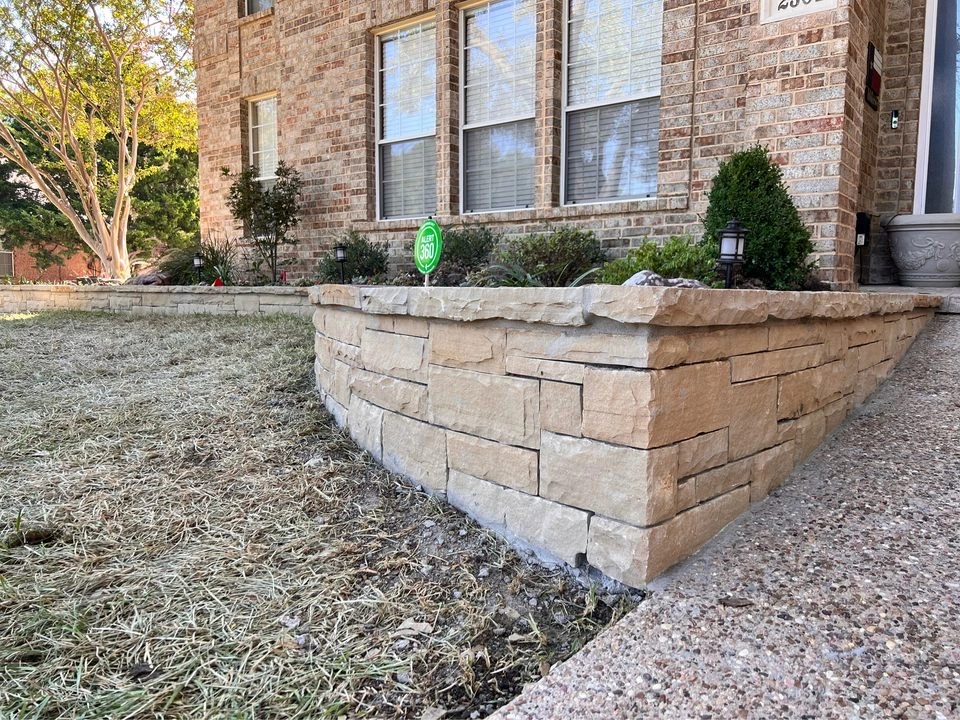
5. Stone or Brick Bed
If you’re looking for a long-term, permanent raised bed, consider building one with brick or natural stone.
Pros:
Extremely durable
Elegant and classic appearance
Heat retention helps extend growing
Cons:
Labor-intensive installation
Less flexible once built
Best for: Landscaped yards and formal gardens
6. Cinder Block Garden Bed
For a budget-friendly, DIY option, cinder blocks make an excellent frame for raised beds. Plus, the holes can be used for smaller plants.
Pros:
Very affordable
Doesn’t require nails or screws
Durable and reusable
Cons:
Less attractive unless painted
Can retain too much heat in summer
Best for: Budget-conscious or experimental gardeners
7. U-Shaped Raised Bed
The U-shaped design maximizes your planting area while giving you full access to the center for maintenance and harvesting.
Pros:
Ergonomic and accessible
Great for large gardens
Multiple planting zones
Cons:
Requires significant space
Can be costly for materials
Best for: Larger backyards and intensive planting
8. Pallet Frame Garden Bed
Upcycle old wooden pallets to create an eco-friendly raised bed. It’s a smart choice for shallow plants like lettuce or strawberries.
Pros:
Cheap and easy to source
Sustainable and creative
Customizable sizes
Cons:
May not last as long as treated wood
Needs safe, chemical-free pallets
Best for: Eco-conscious DIY gardeners
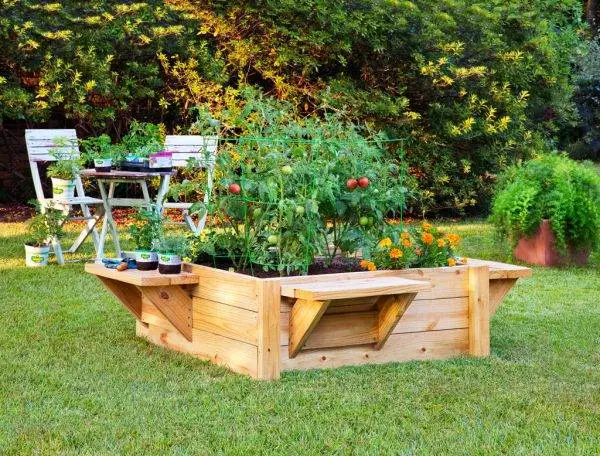
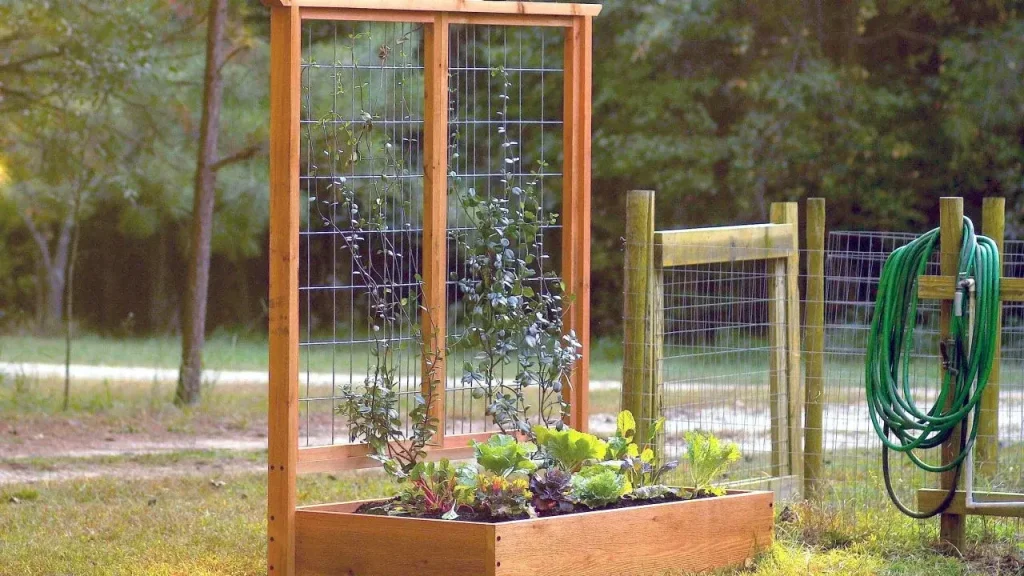
9. Raised Bed with Built-In Trellis
Combine a raised garden bed ideas with a trellis for vertical gardening—ideal for climbing plants like tomatoes, peas, and cucumbers.
Pros:
Saves horizontal space
Increases plant yield
Stylish and functional
Cons:
Requires sturdy support
Trellis may block sunlight if mispositioned
Best for: Small yards or vertical growers
10. Self-Watering Raised Bed
For busy gardeners or dry climates, self-watering beds have a reservoir beneath the soil that delivers consistent moisture.
Pros:
Less maintenance
Efficient water use
Great for vacations or drought areas
Cons:
Initial build is more complex
Higher upfront cost
Best for: Busy households and water conservation
Material Comparison Table
Here’s a quick look at raised garden bed ideas materials to help you choose the right option:
Material
Pros
Cons
Wood
Easy to build, affordable
May rot without treatment
Metal
Durable, stylish
Can heat up in direct sun
Stone/Brick
Long-lasting, elegant
Expensive, heavy to install
Cinder Block
Inexpensive, reusable
Not very attractive
Composite
Low-maintenance, durable
Costlier than traditional wood
Additional Tips for Raised Garden Success
To make your raised vegetable garden bed ideas thrive, follow these tips:
Use the best soil mix for raised garden bed ideas: 60% topsoil, 30% compost, 10% perlite or vermiculite
Install raised garden bed ideas irrigation like drip hoses or soaker systems
Try companion planting such as basil with tomatoes or carrots with onions to deter pests
Rotate crops each season to maintain soil health
Conclusion: Build Your Ideal Garden Today
Whether you choose a classic wooden frame, a self-watering system, or a tiered vertical bed, these raised garden bed ideas can turn any outdoor space into a lush and organized paradise. With so many versatile options, you’re sure to find the perfect match for your needs, style, and budget.
Shellie Olivares is a dedicated home blogger who has been blogging for over six years. She covers everything home related. Shellie also loves writing posts about her travels to Europe with her husband and two children.