PVC roofing is a popular solution for flat and low-slope roofs due to its exceptional durability, water resistance, and energy efficiency. PVC, or polyvinyl chloride, is a thermoplastic roofing membrane that offers long-term performance, low maintenance, and excellent resistance to harsh environmental conditions. Whether you’re managing a commercial building or updating a modern home, PVC roof is a smart investment.
Content
What is PVC Roofing Membrane?
A PVC roof membrane is a single-ply roofing material designed for long-lasting protection. It consists of two layers of PVC with a reinforcing scrim (usually polyester) in between. The material is flexible, lightweight, and easy to install, making it suitable for various roof shapes and sizes. One of the most significant advantages of this system is its heat-welded seams, which form a watertight bond and reduce the chances of leakage over time.
Top Benefits of PVC Roofing
When considering roofing systems, the advantages of PVC roof stand out:
Superior durability against chemicals, grease, and UV rays
Energy-efficient surface that reflects sunlight and reduces cooling costs
Fire-resistant and wind-resistant performance
Low maintenance needs throughout its lifespan
Environmentally friendly due to recyclability and reflective properties
These features make PVC roof ideal for both residential and commercial buildings, especially those with flat or slightly sloped structures.
PVC Roofing Cost: What to Expect
The PVC roof cost depends on multiple factors including roof size, material thickness, labor rates, and insulation type. On average, you can expect to pay between $6 and $12 per square foot installed. A 2,000 sq. ft. flat roof may cost anywhere from $12,000 to $24,000. While this might seem higher than options like EPDM, the long-term savings on energy bills and repairs make it worthwhile.
PVC Roofing Installation Process
Professional PVC roof installation ensures proper sealing and longevity. The typical process includes:
Cleaning and preparing the roof deck
Applying insulation boards
Rolling out the PVC membrane
Heat-welding the seams for a secure and waterproof bond
Securing edges and flashing areas
Installation usually takes 2 to 5 days, depending on the roof’s size and complexity. Proper setup is critical to prevent issues like pooling water or membrane shrinkage.
Maintenance Tips for Long-Lasting PVC Roofs
Though it’s known for its reliability, PVC roof maintenance is still essential to maximize its lifespan. Here’s what you should do:
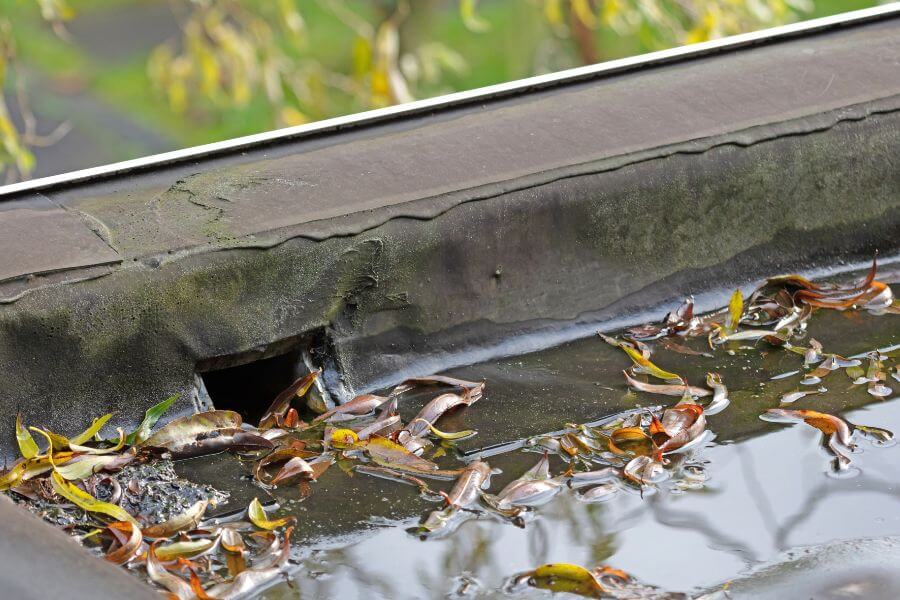
Clean the roof twice a year to remove dirt, leaves, and debris
Inspect for punctures or seam separation after storms or heavy winds
Avoid unnecessary foot traffic that could cause surface damage
Schedule annual inspections with a roofing contractor
Following these steps can extend your PVC roof life expectancy beyond 30 years.
PVC Roofing Life Expectancy
A well-maintained PVC roof can last between 20 to 30+ years. Factors that impact longevity include:
Installation quality
Climate and exposure to elements
Maintenance frequency
Roof usage and traffic
PVC membranes with a thickness of 60 mils or more generally last longer and perform better in extreme weather conditions.
PVC Roofing vs TPO Roofing: Which is Better?
When comparing PVC roof vs TPO, both materials are single-ply membranes, but they differ in performance:
Feature
PVC Roof
TPO Roofing
Durability
Excellent chemical resistance
Good general durability
Cost
Slightly higher
More budget-friendly
Seam Strength
Heat-welded and stronger
Also heat-welded, but thinner
Lifespan
20–30+ years
15–25 years
Chemical Resistance
High
Moderate
PVC roof is better suited for restaurants, factories, and facilities that deal with oil, grease, or chemicals, while TPO is ideal for general-purpose use at a lower cost.
PVC Roofing Repair: What You Need to Know
Though it’s durable, occasional PVC roof repair may be necessary. Common issues include:
Seam lifting from extreme heat or movement
Punctures or cracks from debris or heavy equipment
Surface damage from poor maintenance
Repairs often involve patching the damaged area or re-welding the seams. Minor damage can sometimes be fixed with a DIY kit, but professional repair is recommended to ensure water tightness and compliance with warranties.
Conclusion
PVC roofing is a modern, sustainable, and long-lasting solution for both commercial and residential buildings. Its reflective surface, chemical resistance, and low maintenance make it one of the best roofing choices on the market. While the PVC roof cost may be higher upfront, the long-term energy savings and extended lifespan offer significant value. By understanding the installation process, routine maintenance, and how PVC compares to TPO, property owners can make confident, informed decisions.
Frequently Asked Questions
How long does a PVC roof last?
With proper care, PVC roofs last 20 to 30 years or more.
Is PVC roofing fire-resistant?
Yes, PVC roof is highly fire-resistant and self-extinguishing in case of ignition.
Can PVC roof be installed over an old roof?
In many cases, yes. A professional assessment is needed to determine structural suitability.
Is PVC roofing good for homes?
Absolutely. PVC roof is an excellent choice for residential flat roofs due to its efficiency and sleek appearance.
Does PVC roof require special cleaning?
No special cleaning is required—just remove debris and use mild soap with water for general cleaning.
Shellie Olivares is a dedicated home blogger who has been blogging for over six years. She covers everything home related. Shellie also loves writing posts about her travels to Europe with her husband and two children.