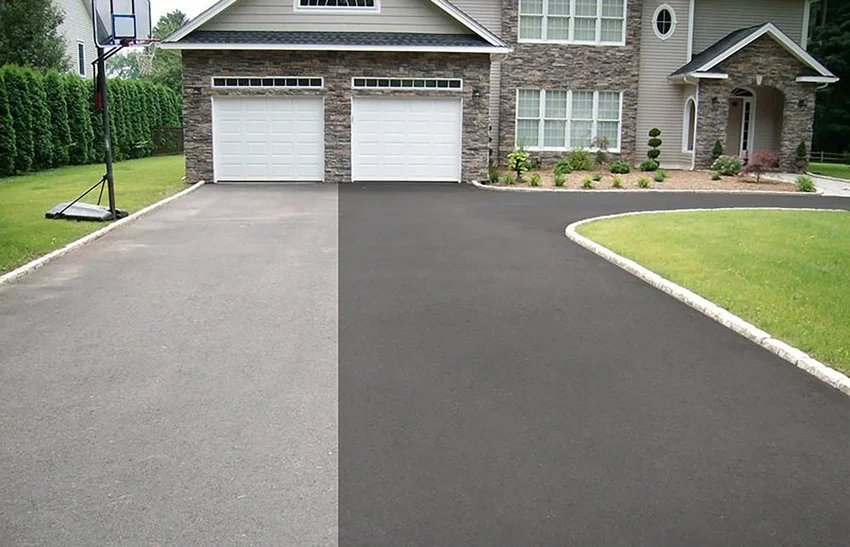
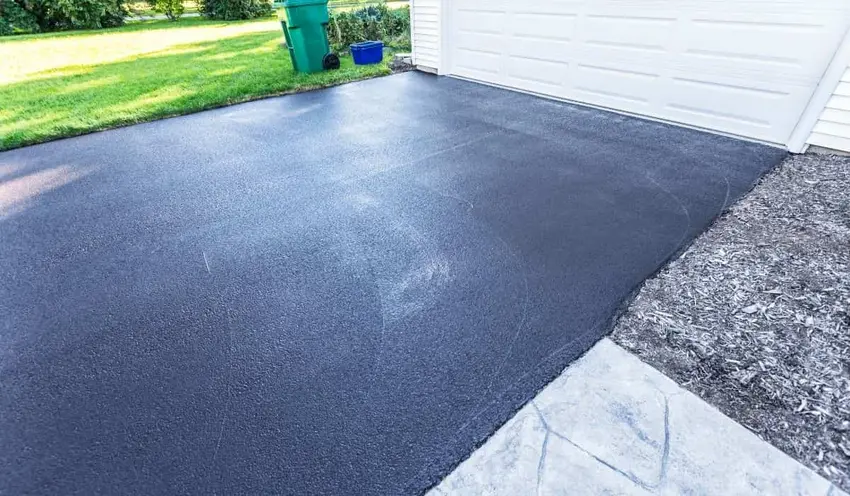
Driveway sealing is a preventive method that extends the lifespan of your pavement by shielding it from damage caused by water, oil, sunlight, and weather. It protects against cracks, surface breakdown, and long-term deterioration—ultimately preserving your investment and improving your home’s curb appeal.
Content
What Is Driveway Sealing and Why Does It Matter?
Driveway sealing is the application of a specialized sealant over asphalt or concrete driveways to prevent moisture, UV rays, oil spills, and other elements from degrading the surface. This preservation technique is crucial for preventing cracks, holes, and fading caused by harsh weather or constant vehicle traffic.
Especially for asphalt maintenance, sealing acts as a barrier that locks out damaging substances. The process also enhances the appearance of the surface, giving it a rich black finish that looks newly paved. According to the Asphalt Institute, periodic sealcoating adds years to your driveway’s life while reducing future repair costs.
Different Types of Driveways and Their Sealing Needs
Every type of driveway surface requires specific sealing practices and materials for optimal performance:
Asphalt driveways are the most common and benefit significantly from asphalt seal coating, which provides flexibility and durability.
Concrete driveways require a different sealing compound that emphasizes stain resistance and waterproofing.
Tar & chip driveways need expert handling by tar & chip driveway contractors who use specialized equipment and materials to ensure long-term protection.
Ensuring the right product and method is used for your driveway material enhances the durability and aesthetics of your property’s exterior.
The Driveway Sealing Process Explained
The process of driveway sealing must be executed with precision to achieve effective results:
Driveway cleaning is the first and most important step. Professionals use power washers and degreasers to remove dirt, oil, and algae from the surface.
Cracks are filled using blacktop crack repair products, and larger issues are addressed with pothole filling techniques.
Sealant is applied with precision—either sprayed or brushed in smooth, even layers to ensure full coverage.
The curing period ranges between 24 to 48 hours, depending on the temperature and humidity.
When performed by expert sealcoating services, this process ensures maximum protection and enhances your driveway’s appearance.
How Often Should You Seal Your Driveway?
Sealing frequency depends on usage, weather conditions, and the type of surface. Generally, asphalt driveways should be sealed every 2–3 years to maintain optimal performance and aesthetics.
In areas with extreme weather conditions or heavy vehicle usage, sealing may be required more frequently. Regular residential paving evaluations can help identify the right sealing schedule based on wear and exposure. Delaying the process increases vulnerability to cracks and eventual resurfacing, which is significantly more expensive.
DIY vs. Professional Driveway Sealing Services
Homeowners may consider DIY driveway sealing as a cost-effective option, but this route comes with limitations:
Advantages of DIY Sealing:
Lower immediate expenses
Convenient scheduling
Drawbacks:
Inconsistent application
Shorter lifespan
Potential for sealing over unresolved damage
On the other hand, professional driveway sealing services provide thorough prep work, expert application, and high-grade materials that last. Skilled sealing driveway contractors also spot underlying issues that untrained eyes may miss. Their expertise ensures that every square inch is sealed properly and efficiently.
Cost of Driveway Sealing
The driveway sealing cost varies depending on a few factors:
Size of the driveway (typically priced per square foot)
Condition of the existing surface
Type and brand of sealant used
Labor rates in your area
Homeowners can expect to spend between $0.15 to $0.25 per square foot. While DIY driveway sealing may appear less costly, it can lead to additional expenses if not applied properly. Hiring trusted asphalt repair companies or asphalt paving contractors ensures a lasting, professionally finished surface that enhances your property value.
Common Mistakes to Avoid When Sealing a Driveway
For a long-lasting seal, avoid these frequent mistakes:
Failing to perform thorough driveway cleaning before application
Using the wrong sealant type for your specific surface
Applying sealant in thick, uneven layers which can cause peeling
Sealing in inappropriate weather—cold or wet conditions prevent proper curing
Professional paving installers and paving specialists are trained to avoid these problems, ensuring seamless application and enduring protection.
How to Find Reliable Driveway Sealing Contractors
Choosing the right professionals for the job ensures quality and durability. When searching for driveway paving services, keep these tips in mind:
Check for proper licensing and insurance
Read verified customer reviews and testimonials
Ask for references or photo evidence of past work
Compare detailed quotes from multiple sealing driveway companies
Ensure warranty or satisfaction guarantees are included
By selecting experienced asphalt paving contractors or paving repair services, homeowners gain peace of mind and a properly sealed driveway that withstands the elements.
Conclusion
Driveway sealing is a practical and cost-effective way to extend the life of your pavement, protect against the elements, and enhance the look of your property. Whether you choose DIY driveway sealing or hire expert sealcoating services, taking action now will save you from costly repairs later.
From blacktop repair to pothole filling, every element of the sealing process plays a critical role in your driveway’s durability. Trust in experienced paving specialists and asphalt maintenance teams to deliver a lasting, visually appealing result.
Frequently Asked Questions (FAQ)
How long does driveway sealer last?
A good-quality sealant typically lasts 2–3 years, depending on climate and traffic. Regular asphalt maintenance helps extend its effectiveness.
Is it possible to seal a concrete driveway?
Yes. Concrete driveway companies offer sealing solutions that enhance durability and prevent staining, though different materials are used compared to asphalt.
What’s the ideal season for driveway sealing?
Late spring through early fall provides optimal conditions for sealing, with temperatures between 50°F and 85°F and dry weather being ideal.
Is sealing really worth the expense?
Absolutely. Driveway sealing protects against premature wear, enhances visual appeal, and reduces long-term repair costs—making it a smart investment.
What’s the difference between sealing and resurfacing?
Driveway sealing adds a protective layer to the existing surface, while resurfacing involves laying a new layer of asphalt or concrete over the old one to repair significant damage.
Shellie Olivares is a dedicated home blogger who has been blogging for over six years. She covers everything home related. Shellie also loves writing posts about her travels to Europe with her husband and two children.