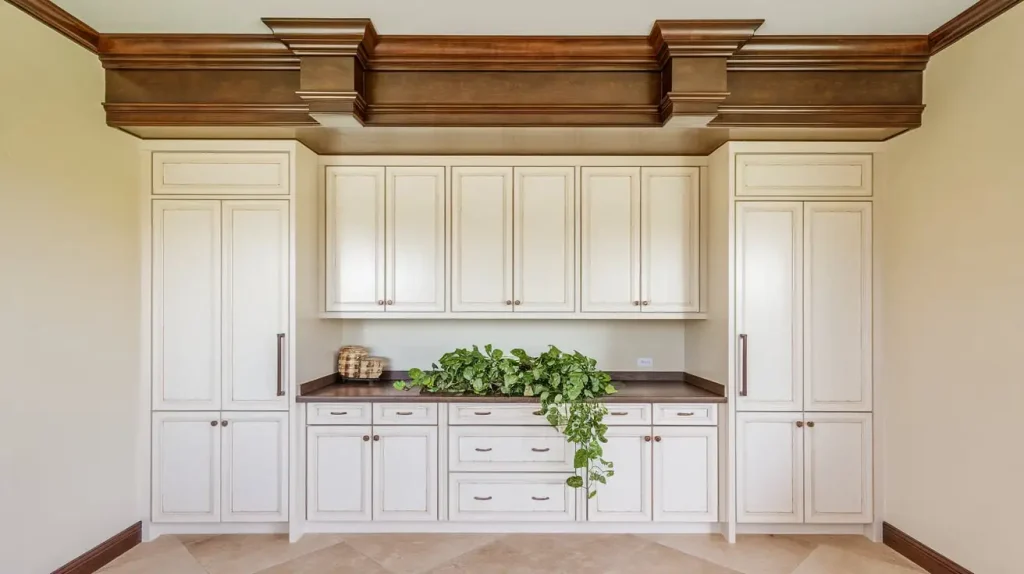
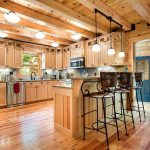
If you’ve ever admired the elegant touch that molding brings to a room, you’re not alone. This simple yet impactful addition can transform basic cabinets into a high-end design feature. Whether you’re revamping your kitchen, bathroom, or any other space, adding crown molding to cabinets is an approachable project with a major payoff. Ready to dive in? Let’s break it down into manageable steps.
Content
Measure Your Cabinets
Before you start, it’s essential to measure your cabinets accurately. Knowing the dimensions will ensure you purchase the correct amount of crown molding and avoid unnecessary trips to the hardware store.
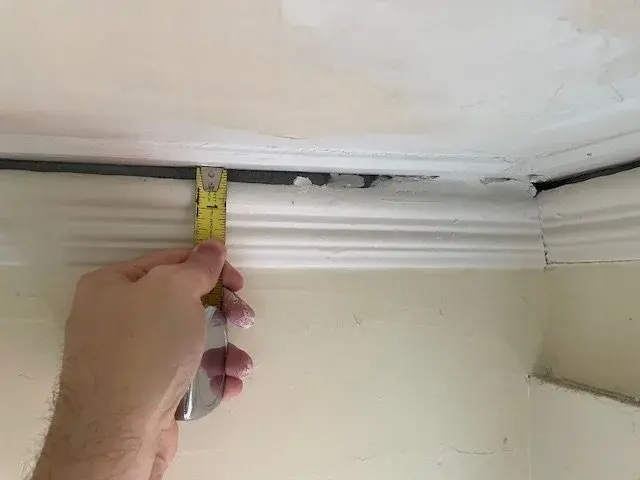
Use a measuring tape to determine the width and depth of your cabinets.
Add an extra 10% to your measurements to account for cutting errors or adjustments.
Make note of any obstacles, such as uneven ceilings or walls, that could affect installation.
Prepare the Cabinet Tops
Most cabinets have flat tops that don’t provide a secure surface for attaching crown molding. This is where scrap wood comes in handy.
Cut strips of scrap wood to match the width of your cabinet tops.
Attach the strips along the edges using wood glue and screws.
Ensure the scrap wood is flush with the top edges of your cabinets.
This step creates a sturdy base for your molding and ensures a seamless fit.
Cut Your Crown Molding
Cutting molding is often the trickiest part of the project, but with the right tools and techniques, it becomes much more manageable.
Tools You’ll Need:
A miter saw (preferably with a molding jig)
Measuring tape
Painter’s tape
Mark your measurements on the molding, taking care to account for mitered corners.
Set your miter saw to the correct angle (typically 45 degrees) for inside and outside corners.
Use painter’s tape along the cut lines to prevent splintering.
Attach the Crown Molding
Now it’s time to bring your cabinets to life by attaching the molding. This step requires precision and patience to achieve a polished look.
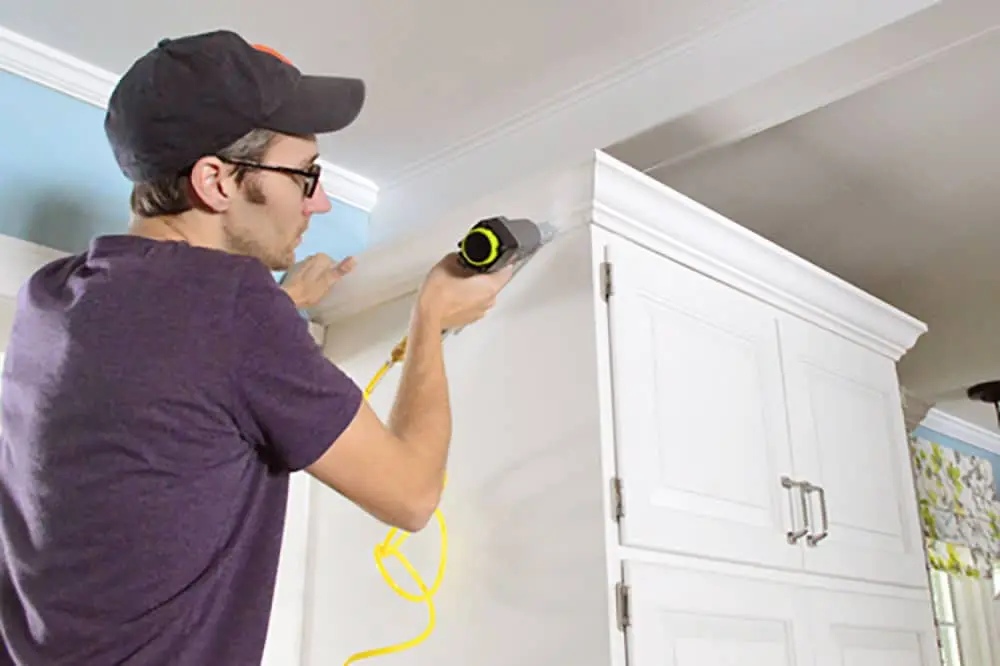
Hold the molding in place and secure it temporarily with brad nails.
Use a level to ensure the molding is straight and even.
Once satisfied with the positioning, fully nail the molding to the scrap wood base.
For corners, apply wood glue to the mitered edges before securing them with nails. This creates a stronger bond and minimizes gaps.
Fill Gaps and Paint
No project is complete without a bit of fine-tuning. Filling gaps and painting your crown molding will elevate the final result from good to great.
Use caulk to fill small gaps between the molding and the cabinets or walls.
Smooth the caulk with your finger or a damp cloth for a professional finish.
Once the caulk dries, sand any rough areas and apply primer.
Finish with a coat of paint that matches your cabinets or adds a contrasting pop of color.
Why Choose Crown Molding for Your Cabinets?
Adding molding is more than just a design choice—it’s a value-adding upgrade. Here are a few reasons why homeowners love this project:
Enhances Aesthetics: Crown molding elevates the look of cabinets, making them appear custom and high-end.
Hides Imperfections: Uneven ceilings or cabinet tops? Crowns molding can disguise those flaws seamlessly.
Increases Home Value: Small upgrades like this can boost your home’s resale value and appeal.
Common Mistakes to Avoid
While installing crown molding is a straightforward project, there are a few pitfalls to watch out for:
Skipping Measurements: Always double-check your dimensions before making cuts.
Using the Wrong Tools: Invest in a quality miter saw and don’t underestimate the value of painter’s tape.
Rushing the Finish: Taking time to caulk and paint properly ensures a professional result.
Conclusion: A Small Change with Big Impact
Adding crown molding to cabinets is an affordable, beginner-friendly project that delivers impressive results. With a few tools, a bit of patience, and this step-by-step guide, you can elevate your cabinets and transform the look of your space. Whether you’re preparing for a major remodel or simply refreshing a room, crowns molding is a surefire way to add style and sophistication.
Frequently Asked Questions
Q: Can I install crown molding on cabinets without a miter saw?
While a miter saw is recommended for precision, you can use a hand saw with a miter box for small projects.
How much does it cost to add crown molding to cabinets?
The cost depends on the size of your project and the type of molding chosen. On average, materials cost between $50 and $150.
Can I install crown molding on uneven cabinets?
Yes! Use shims or caulk to compensate for uneven surfaces and ensure a snug fit.
Shellie Olivares is a dedicated home blogger who has been blogging for over six years. She covers everything home related. Shellie also loves writing posts about her travels to Europe with her husband and two children.