There are different types of subdivisions existing in our vast national territory. You can find, in the search for the ideal lot to build your dream house, land on a slope, or even flat land, which makes your head boil with so many ideas on how that space can be better used.
In this article, we will discuss whether it is worth buying and building a downhill plot, as well as the advantages and disadvantages of this type of terrain. Let’s start?
What characterizes a sloping plot?
Although the name itself is quite obvious, a sloping plot is characterized by a plot of land located below street level.
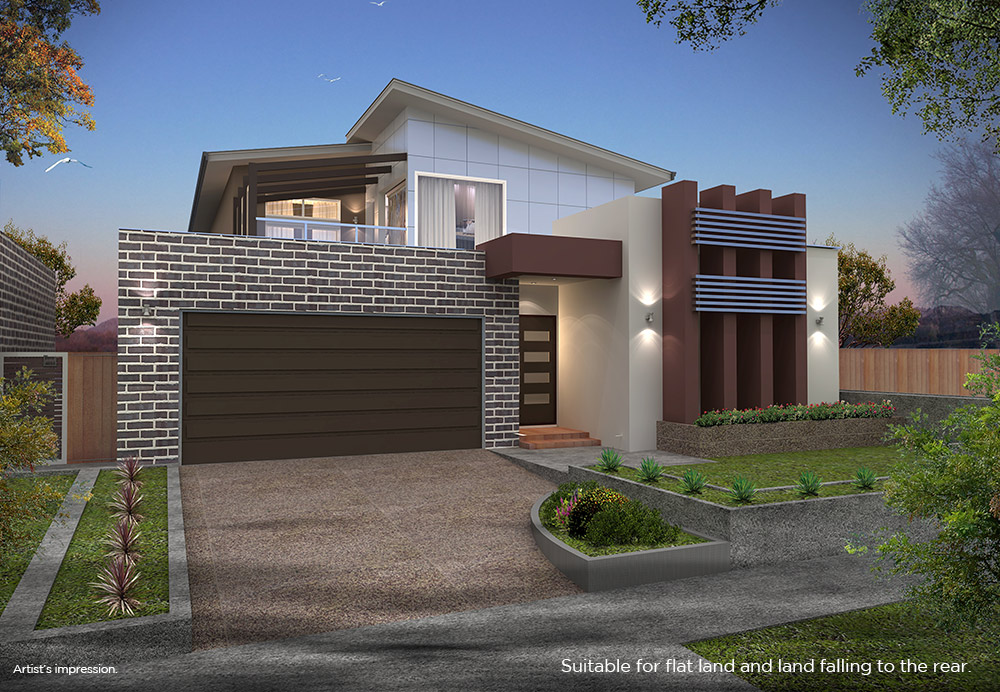
Several projects have sloped plots and, for these, at Sloping Block Builders Melbourne, we offer very special architectural projects, ready to be implemented by the landowners.
What are the advantages of buying a downhill plot?
Among the various advantages of purchasing a plot on a slope, the main (and perhaps most striking) issue is the differentiated price. Flat land and slopes are usually sold more easily, as they appear to be simpler to build, due to issues such as earth moving, foundations, structure, among others. Sloping terrain, in turn, can frighten some people, as they imagine that building on this type of lot will be much more expensive.
A sloping plot may actually require a certain extra dose of creativity on the part of the Split Level Home Builder, but it can also ensure that the owner of the land has a downhill house that is very different from the others, since this type of land naturally gives rise to distinct levels for construction.
As it is a terrain with a natural earth movement, there is a huge gain in possibilities. By purchasing a sloping plot, you can gain considerable space for a lower-level play area that this type of building allows.
Types of Sloping Plots
Not all sloping blocks are the same. The direction and degree of the slope greatly influence design options and construction costs.
1. Upward sloping plots
These blocks rise above street level. They often provide stunning elevated views, but may require additional retaining walls and stepped driveways.
2. Downward sloping plots
These plots fall below street level. They are often more affordable and allow for split-level designs where garages or entertainment spaces are placed below the main living areas.
3. Sideways sloping plots
The land slopes from one side boundary to the other. This type requires creative architectural solutions to balance the levels, often involving tiered landscaping.
Benefits of Building on a Sloping Plot
While some buyers may shy away from this type of terrain, it offers several advantages that flat blocks cannot match.
Unique Architectural Design
A sloping plot allows for split-level homes that stand out architecturally. The natural slope creates opportunities for distinctive levels and layouts.
Panoramic Views
Homes built on slopes often enjoy breathtaking views of surrounding landscapes, whether it’s the city skyline, mountains, or ocean.
Natural Light and Ventilation
Elevated designs make it easier to maximize natural sunlight and airflow throughout the home.
Increased Land Value
Unique homes built on slopes tend to have higher long-term resale value, especially when designed by skilled architects.
Creative Landscaping Options
The terrain allows for terraced gardens, waterfalls, and outdoor entertainment areas that integrate seamlessly with the slope.
Challenges of Sloping Block Construction
Of course, building on a slope isn’t without its difficulties. Homeowners need to be aware of these potential challenges:
Higher construction costs due to earthworks, retaining walls, and specialized foundations.
Drainage issues that require professional planning to prevent water accumulation.
Accessibility concerns, as steep driveways or stairs can make the property harder to navigate.
Council approvals and permits may take longer for sloping designs compared to standard lots.
Design Ideas for Sloping Plots
A sloping plot is not a limitation but an opportunity for unique and innovative designs. Some popular approaches include:
Split-Level Homes
These designs follow the slope of the land, creating staggered levels for living, dining, and bedroom spaces.
Multi-Storey Homes
Slopes are ideal for building multi-storey houses with garages or storage on lower floors and living spaces above.
Terraced Outdoor Living
Sloping land naturally accommodates tiered patios, decks, or garden areas, blending indoor and outdoor living.
Basements and Underground Spaces
Downward slopes make it easier to incorporate basements or underground garages without excessive excavation.
Cost Considerations
Many people assume building on sloping land is prohibitively expensive. While costs can be higher, smart planning and experienced builders can make it affordable. Key cost factors include:
Site excavation and earthworks
Retaining wall construction
Drainage and waterproofing solutions
Structural reinforcements
Access to utilities (water, sewer, electricity)
On average, building on a slope may cost 15–30% more than on flat land. However, the added property value, architectural uniqueness, and views often justify the investment.
Working with Experienced Builders
The key to success on a sloping plot is partnering with professionals who understand the complexities involved. Sloping Block Builders in Melbourne, for example, specialize in split-level homes, creative layouts, and cost-efficient solutions tailored for sloped terrain.
Experienced builders will:
Conduct a site analysis to assess soil, drainage, and slope gradient.
Provide custom architectural designs that maximize natural advantages.
Recommend cost-saving techniques without compromising safety.
Handle permits, engineering reports, and compliance requirements.
Tips for Buying a Sloping Plot
If you are considering investing in a sloping block, keep these tips in mind:
Check orientation: North-facing slopes often provide better light.
Consider access: Ensure driveways and pathways can be built safely.
Evaluate soil type: Poor soil may require costly foundations.
Budget realistically: Factor in extra costs from the start.
Work with experts: Engage architects and builders experienced in sloping plots.
Conclusion
A sloping plot may initially seem like a challenge, but with the right planning and skilled professionals, it can become the foundation for a home that is both beautiful and valuable. From stunning views to unique architectural possibilities, sloping land offers opportunities that flat blocks simply cannot match. While construction guide may involve higher costs and careful planning, the rewards of a custom-designed split-level home on a slope are often well worth the investment.
Frequently Asked Questions
Is it more expensive to build on a sloping block?
Yes, building on a slope generally costs more due to earthworks, drainage, and retaining walls. However, the unique design opportunities and long-term property value often outweigh the additional expense.
Can you build a basement on a sloping plot?
Absolutely. Downward slopes are ideal for basements, underground garages, or storage areas without requiring extensive excavation.
Do sloping blocks require special drainage?
Yes. Proper drainage is critical on sloping land to prevent water pooling and soil erosion. Engineers typically design custom drainage systems for such blocks.
What type of house suits a sloping block?
Split-level homes, multi-storey houses, and terraced designs work best. They follow the natural contour of the land, reducing the need for excessive excavation.
Shellie Olivares is a dedicated home blogger who has been blogging for over six years. She covers everything home related. Shellie also loves writing posts about her travels to Europe with her husband and two children.